
FOR PARENTS
Every child deserves care that’s made just for them
Extend therapy beyond the clinic with guided activities that help caregivers continue their child’s learning at home between sessions.

WHAT IS AUTISM?
Understanding Autism
Autism is a neurodevelopmental condition that affects how a child communicates, interacts with others, experiences the world and learns. It does not look the same in every child and children can have a wide variety of developmental needs, including those associated with autism, ADHD, Down syndrome and other forms of neurodivergence. Understanding each child’s individual development is the first step towards providing the right support.
Recognising Early Differences
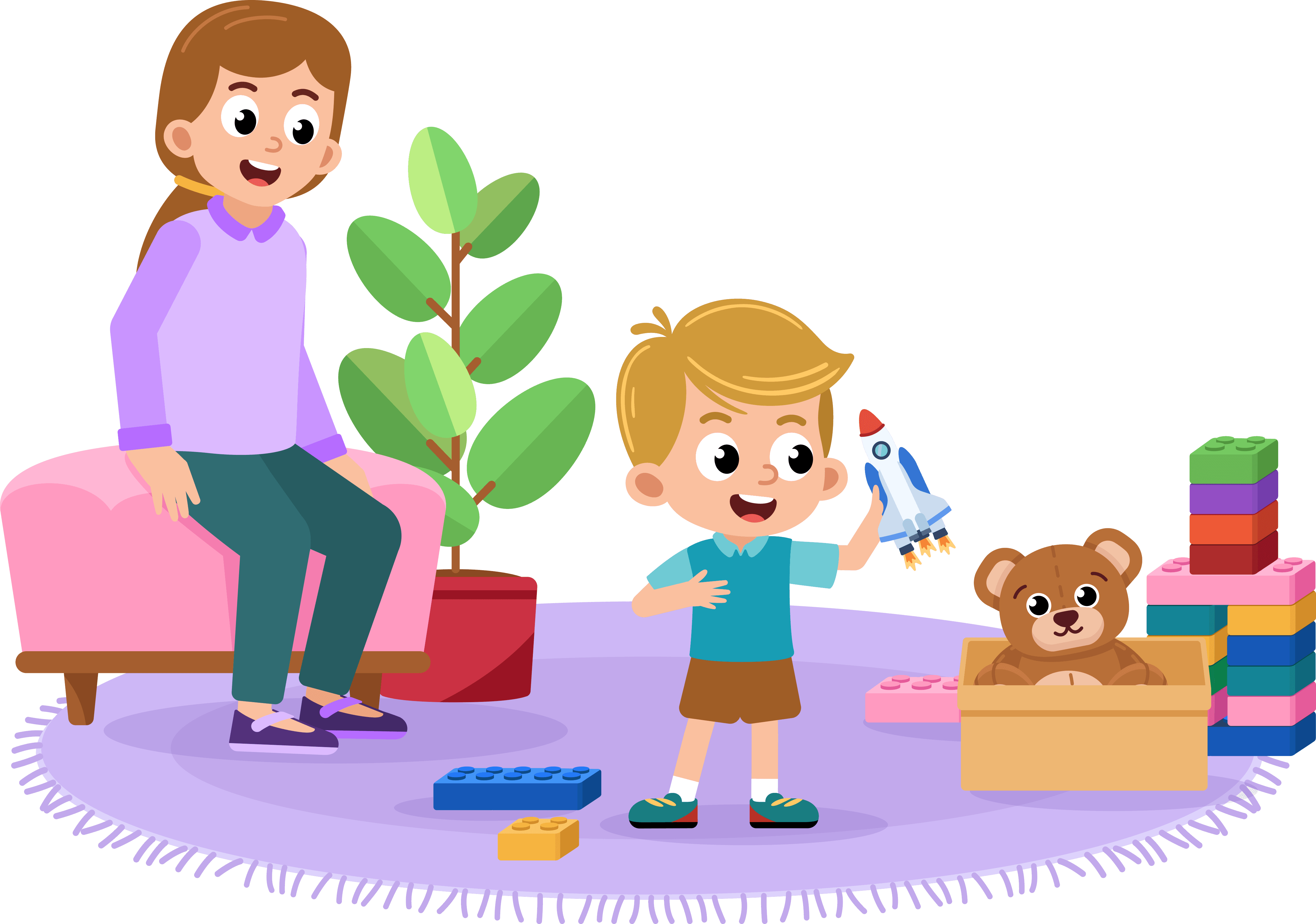
Speech develops differently
Speech may develop later than expected or a child may communicate using words, gestures, sounds or other forms of communication.
Connecting with others feels different
Children may respond differently to their name, make less eye contact or find social interaction more challenging.
Comfort in routine
Many autistic children prefer familiar routines and may find unexpected changes or transitions difficult.
Sensitive to everyday sensations
Autistic children may be more or less sensitive to sounds, lights, textures, touch or other sensory experiences.
Wondering What These Signs Could Mean?
Every child develops differently. Our 14-question checklist can help you understand your child's developmental strengths more clearly and identify areas where additional support may help.
EARLY INTERVENTION · THE FIRST 2,000 DAYS
The years that shape everything
The first 2,000 days - from birth to around five and a half years - are when a child’s brain develops most rapidly. Starting support during this window helps build stronger foundations for communication, learning, social connection and everyday life.
Every child’s journey is different. But when support begins early and stays consistent, each stage builds on the one before it. Here’s what that journey can look like.

Identifying the early signs
For many families, this is when questions begin. You may notice differences in speech, play, communication or the way your child connects with others. Recognising these early signs is not about having all the answers - it’s about knowing when to take the next step.

Building a strong foundation
With the right support in place, these early years become an opportunity to strengthen communication, social interaction, learning and everyday routines. Small, consistent steps begin to build lasting skills.

Preparing for new experiences
As children begin school, the skills they’ve been developing at home and in therapy can help them navigate new routines, relationships and learning environments with greater confidence.
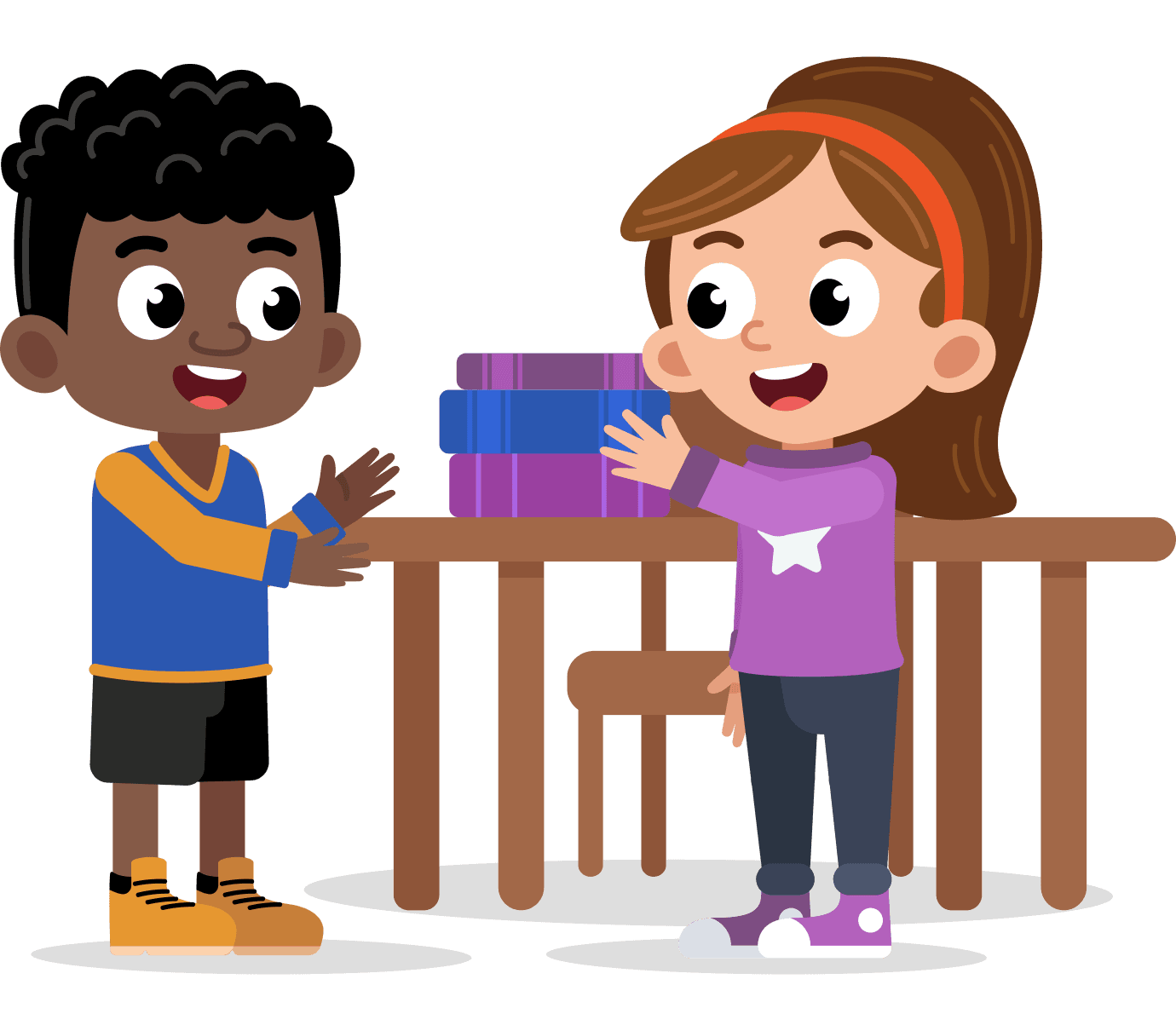
Supporting long-term growth
Development doesn’t stop at one milestone. As children grow, ongoing support, shared goals and meaningful progress tracking help families celebrate how far they’ve come and plan for what’s next.
Every milestone is a moment worth celebrating
HOW COGNITIVEBOTICS HELPS
The Daily Toolkit
Built for the 2,000 days that matter most
450+
Learning Objectives
A structured learning programme built around 450+ learning objectives across 10 areas of development, helping parents focus on the skills that matter most for their child.
1,800+
Guided Activities
Explore 1,800+ guided activities designed to make learning engaging, structured and easy to continue at home.
20+
Social Stories
Age-appropriate social stories help children understand everyday situations, build confidence and practise new skills.
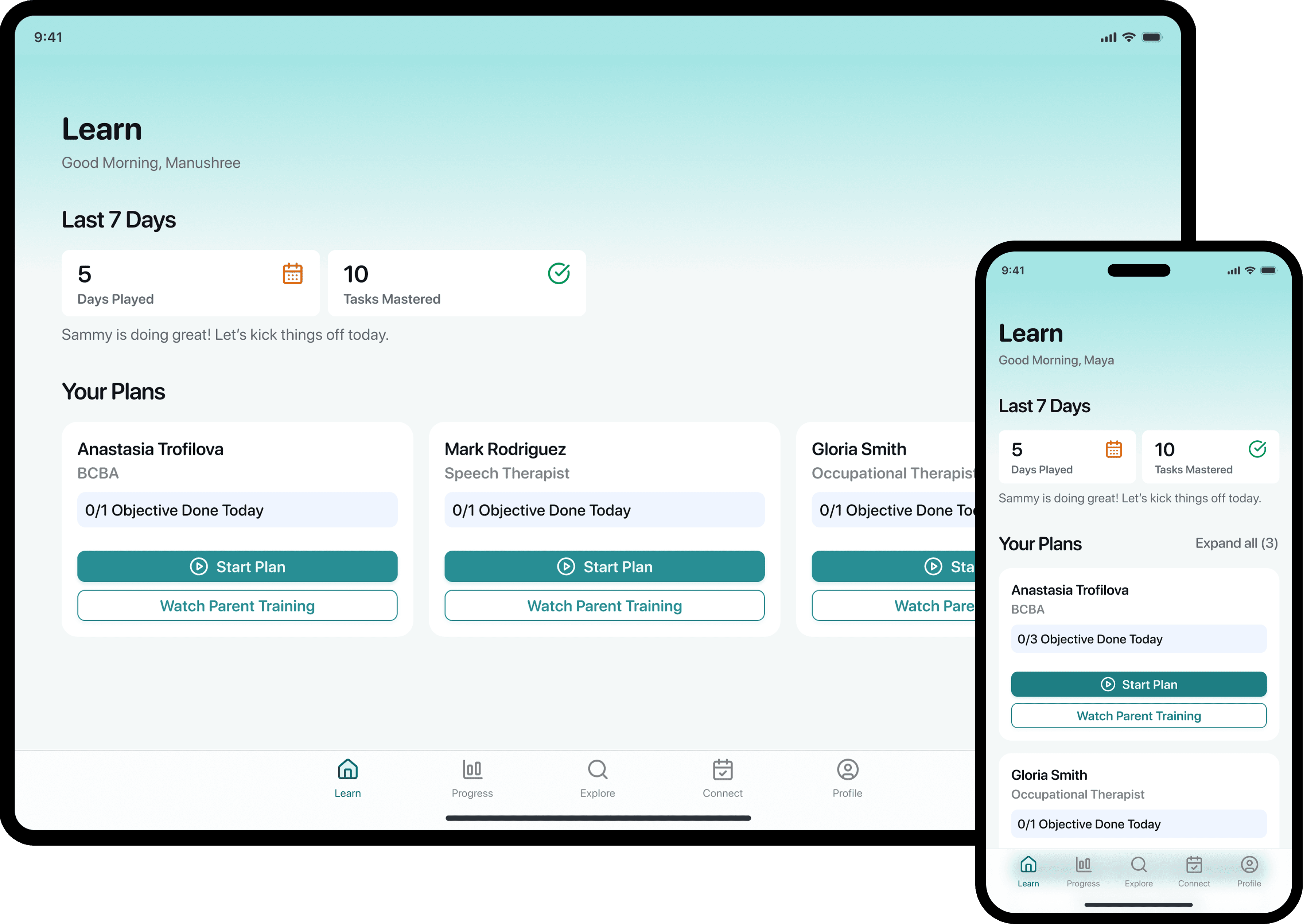
App available in 8 languages.Learning content in English and Telugu, with more coming soonLearning content in English and Telugu, with more coming soon
INSIDE A SESSION
Learning that adapts to every child
Every session is interactive, responsive and designed around how young autistic children learn best. As a child responds, CognitiveBotics adapts each activity to keep learning engaging and personalised.

Interactive Sessions
Children actively participate through questions, responses and guided activities that encourage communication, attention and engagement.
Speech Recognition
Real-time voice interaction creates opportunities to practise speech and communication in a supportive, pressure-free environment.
Pose Detection
AI-powered pose tracking encourages active participation, imitation and attention during activities, supporting communication and everyday learning goals.
Interactive Learning Games
Developmental skills are introduced through engaging, play-based activities that encourage children to return, practise and build confidence over time.
QUESTIONS PARENTS ASK US
Frequently Asked Questions
QUESTIONS PARENTS ASK US
Every child deserves care that’s made just for them.
Talk to our team about bringing CognitiveBotics home for your child.